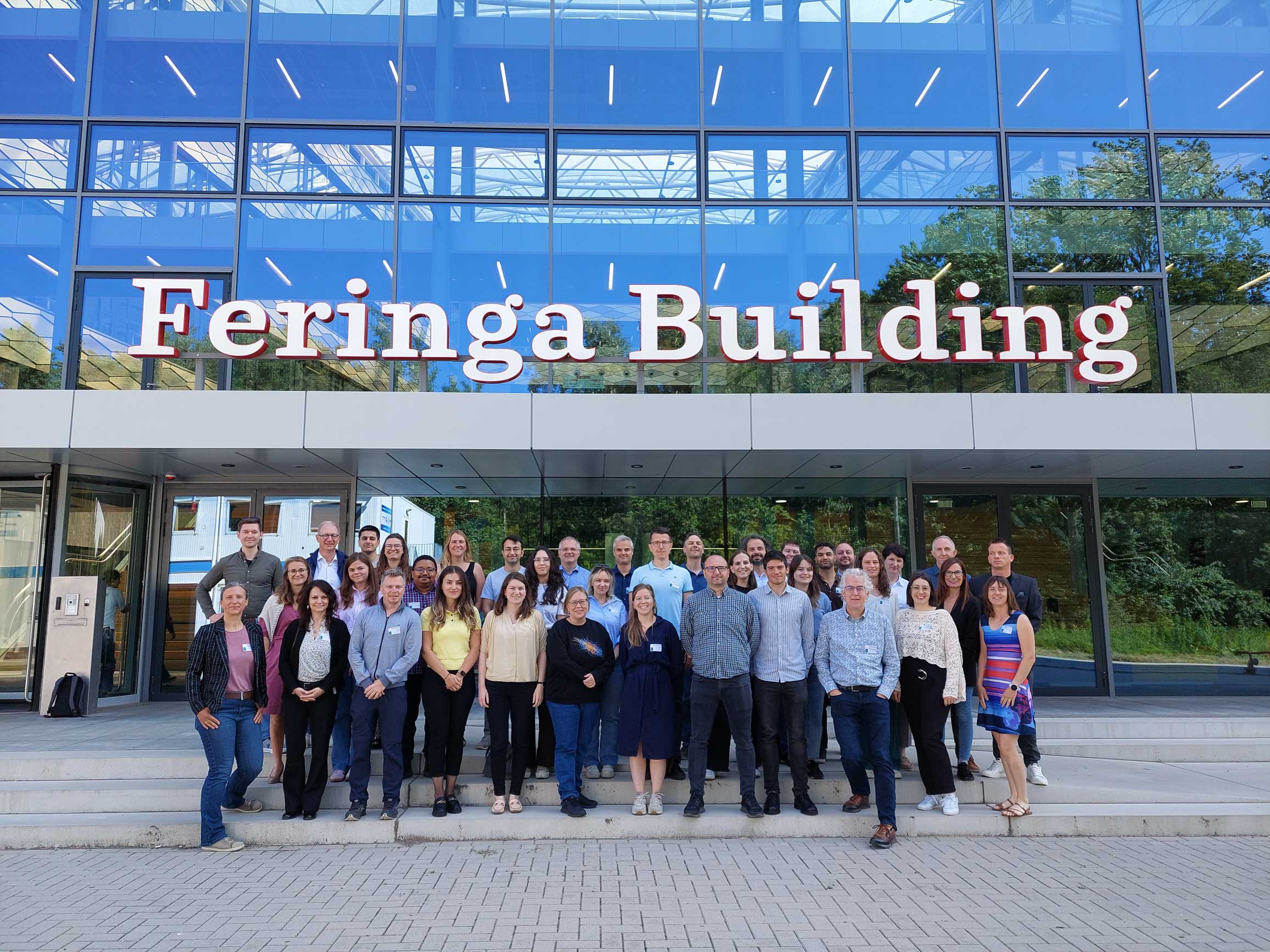
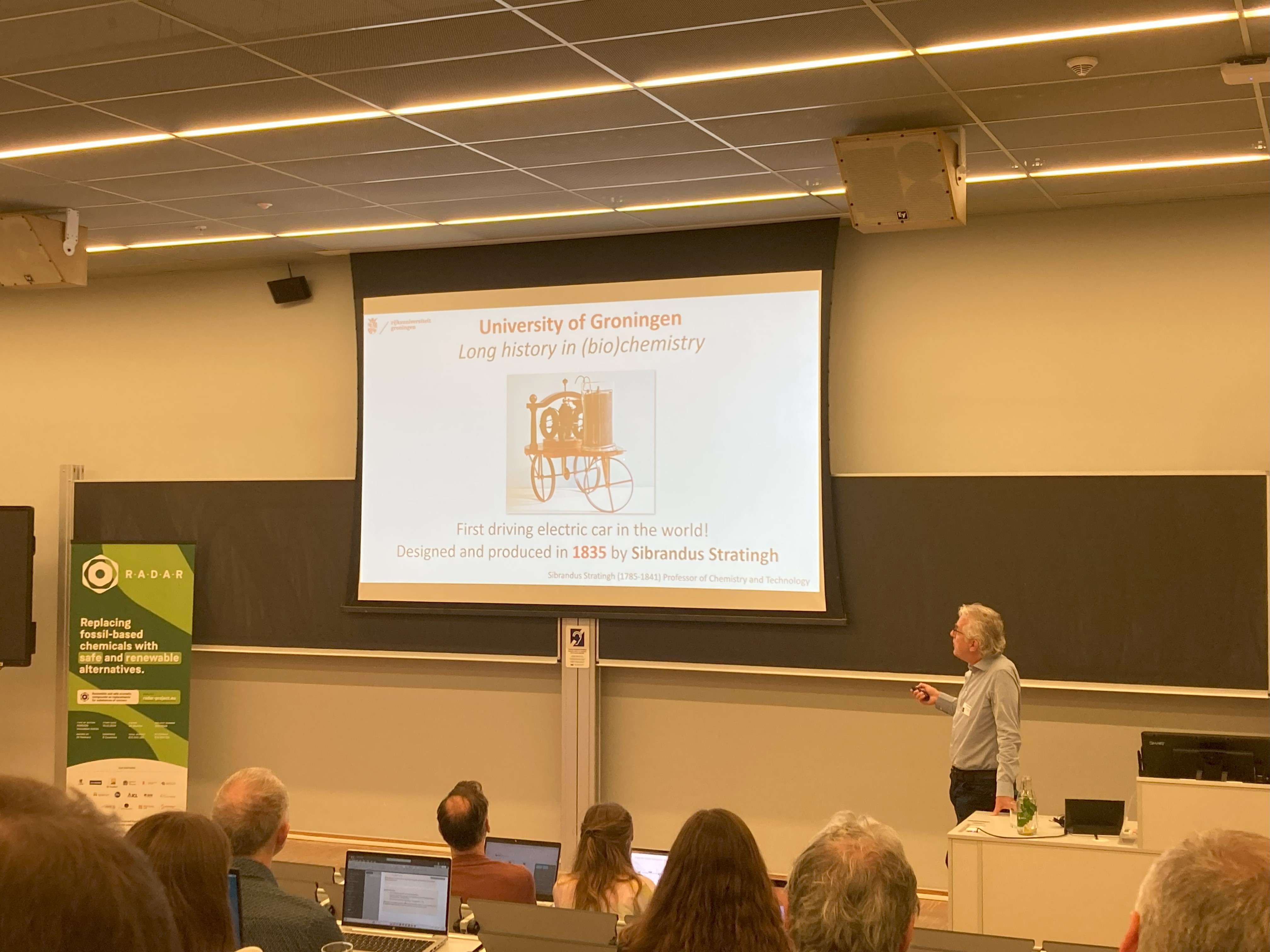
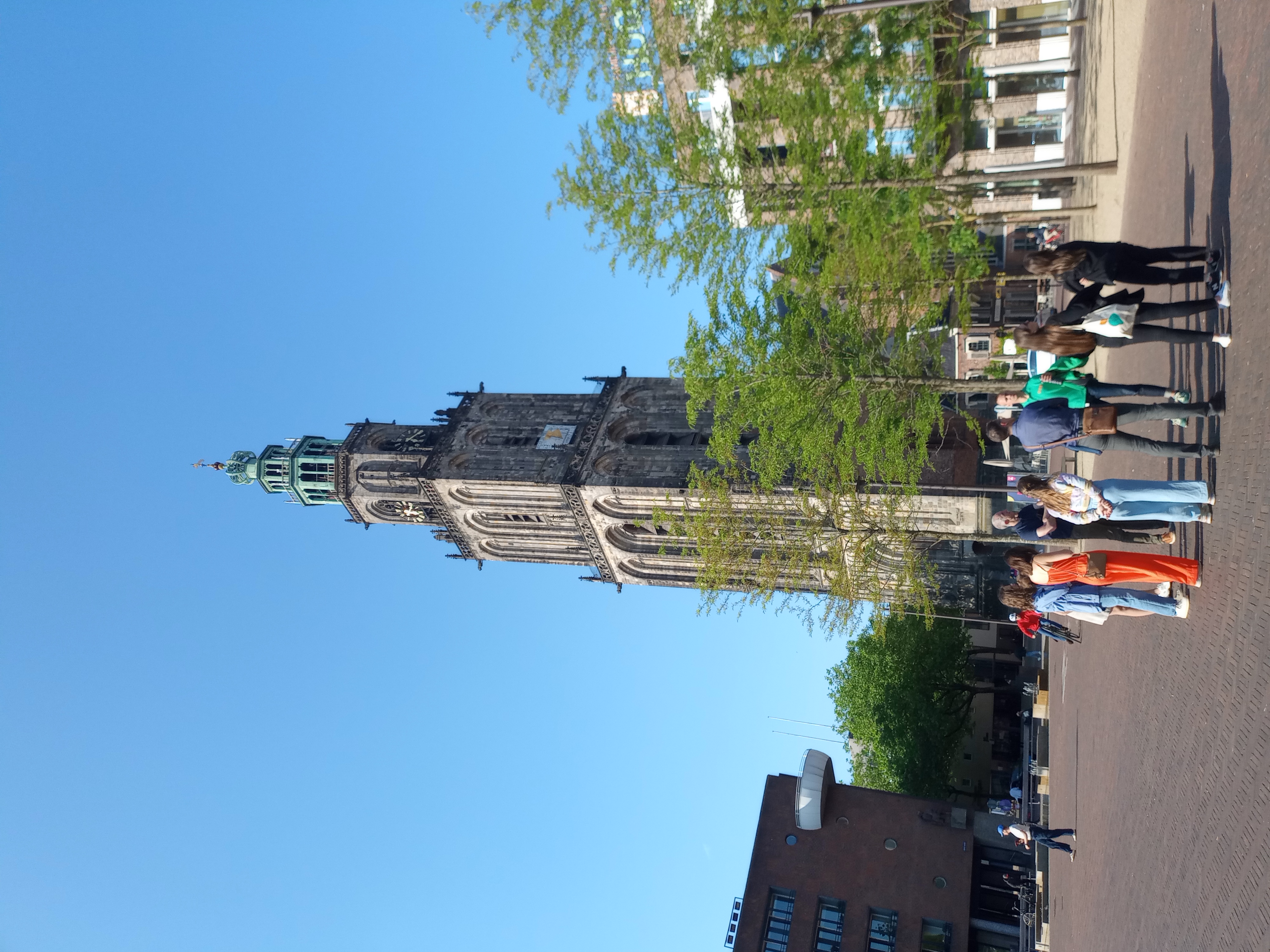
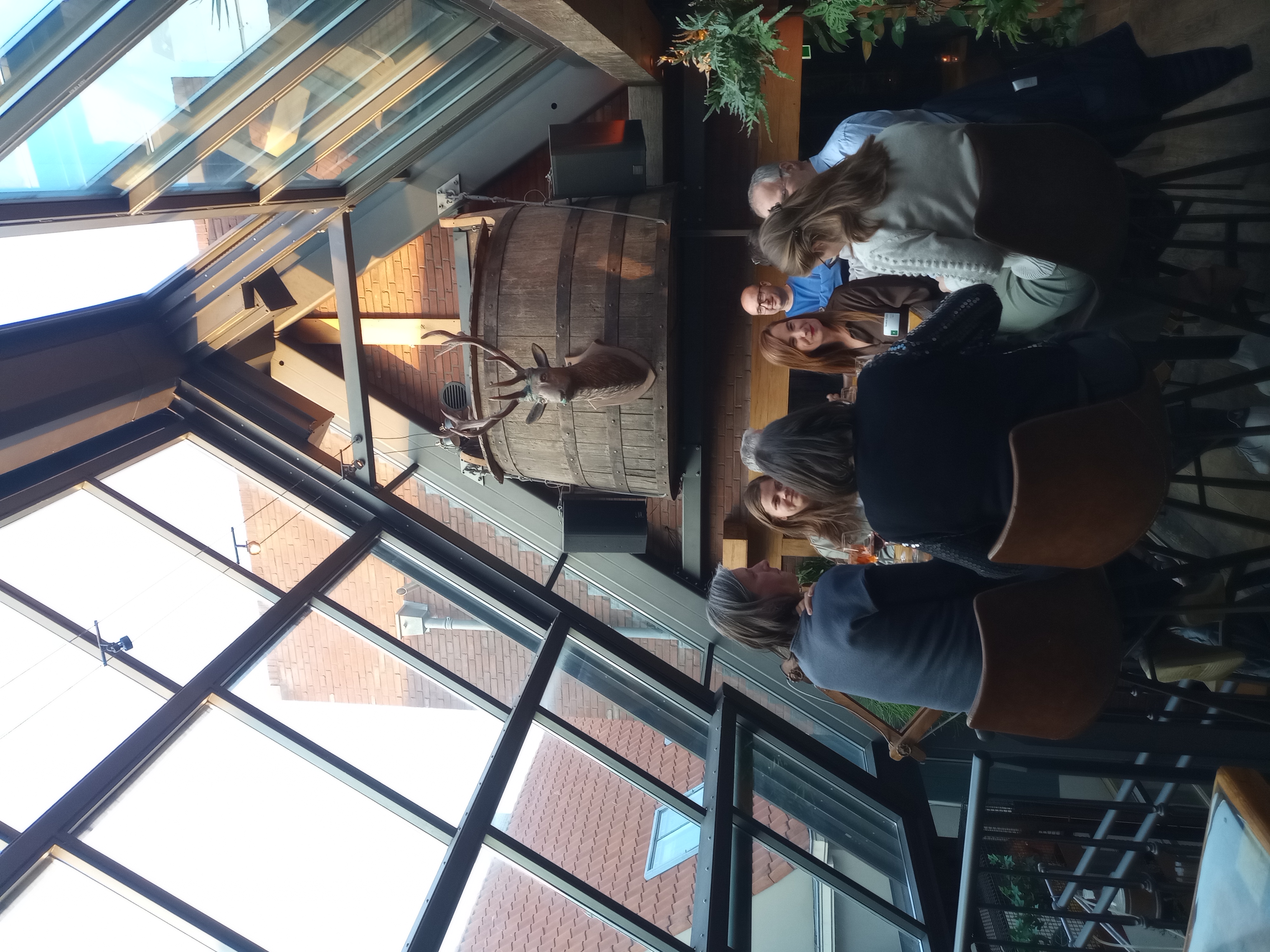
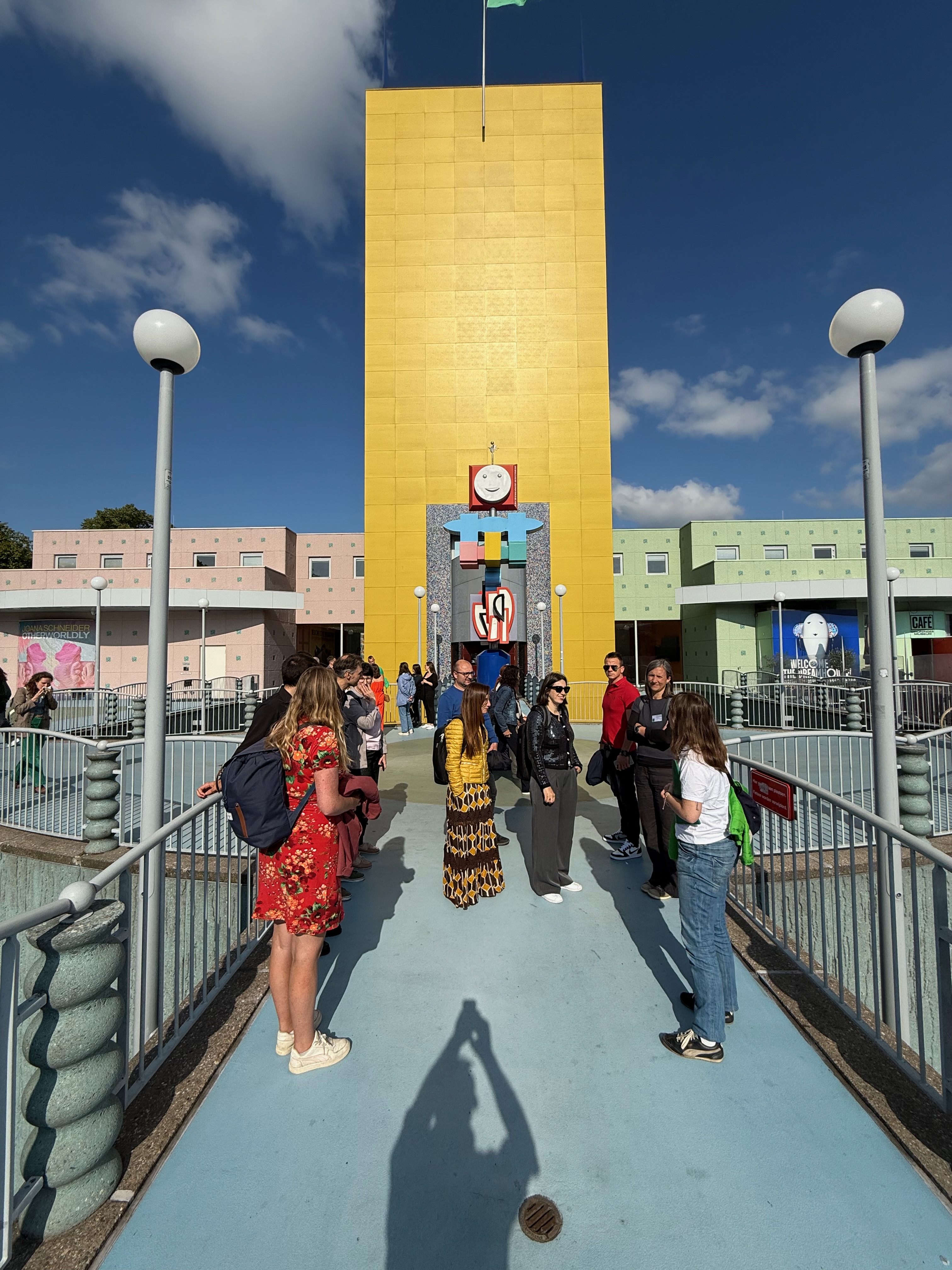
Time flies, and the RADAR project continues to move forward with exciting developments. In June 2025, the consortium came together for a productive Two-day General Assembly hosted by Rijksuniversiteit Groningen in the Netherlands.
The first day featured presentations from each work package, showcasing the latest developments across the project. In particular, the molecular and process design teams: Sels Group, Biocon, GECCO Biotech, and Syensqo, shared promising research on scaling up novel bio-aromatics, a key focus area for RADAR’s sustainable chemical alternatives.
A major milestone was reached with the finalization of a comprehensive set of industrial benchmark chemicals to guide substitution strategies. These benchmarks were submitted for full hazard assessment to BfR, Sciensano, KU Leuven, USJ, and Normec OWS. In the afternoon, break-out sessions were held to align methodologies for bioassays used in hazard assessments.
The consortium also worked on mapping the RADAR value chain to identify data gaps in the sustainability assessment, a task led by DTU – Technical University of Denmark and Particula Group.
On the second day, participants explored broader environmental impacts through a compelling lecture by Claudia Mair-Bauernfeind and Milica Savanovic from Universität Graz, focusing on the indirect effects of wood usage in the chemical industry. The meeting concluded with discussions on data management and the definition of essential identifiers across RADAR’s data categories, supporting computational modeling efforts led by UdS.
The RADAR consortium remains energized and committed to driving innovation in SSbD. Stay tuned for more updates!
RADAR Consortium Meets in Groningen to Share Key Project Updates
In June 2025, the RADAR consortium held a two-day General Assembly at Rijksuniversiteit Groningen. Partners presented progress across work packages, including scaling up bio-aromatics, finalizing industrial benchmarks, and aligning hazard assessment methods. The event also featured a lecture on the environmental impact of wood usage and discussions on data management to support computational modeling. The meeting marked a significant step forward in advancing Safe and Sustainable by Design chemical innovations.