A growing number of aromatic compounds are being reclassified with higher hazard ratings due to concerns about their health and environmental impacts. These updated classifications may lead to usage restrictions imposed by EU authorities and could negatively affect the perceived safety of finished products. The European Union has identified over 450 substances of very high concern (SVHCs), with approximately 30% of these being aromatic compound such as phenols. These substances pose serious health risks, including bioaccumulation, endocrine disruption, carcinogenicity, and reproductive toxicity.
• Bisphenol A (BPA)
BPA is a key building block in the chemical industry, widely used in plastics and resins. However, it is also known for its toxic effects, including reproductive toxicity, skin sensitization, and endocrine disruption. Due to these risks, the EU has taken strong regulatory action, banning BPA in the manufacture of infant products since 2018, and in food contact materials as of 2024. Regulations also aim to prevent the substitution of BPA with similarly harmful bisphenols.
• Tetrabromobisphenol A (TBBPA)
TBBPA is commonly used as a flame retardant, valued for its effectiveness in reducing fire risks. However, it is currently under scrutiny due to its toxicological profile. TBBPA is recognized as carcinogenic, and is being assessed for its potential to be persistent, bioaccumulative, and toxic (PBT), as well as for endocrine-disrupting properties. As a result, efforts are underway to find safer alternatives

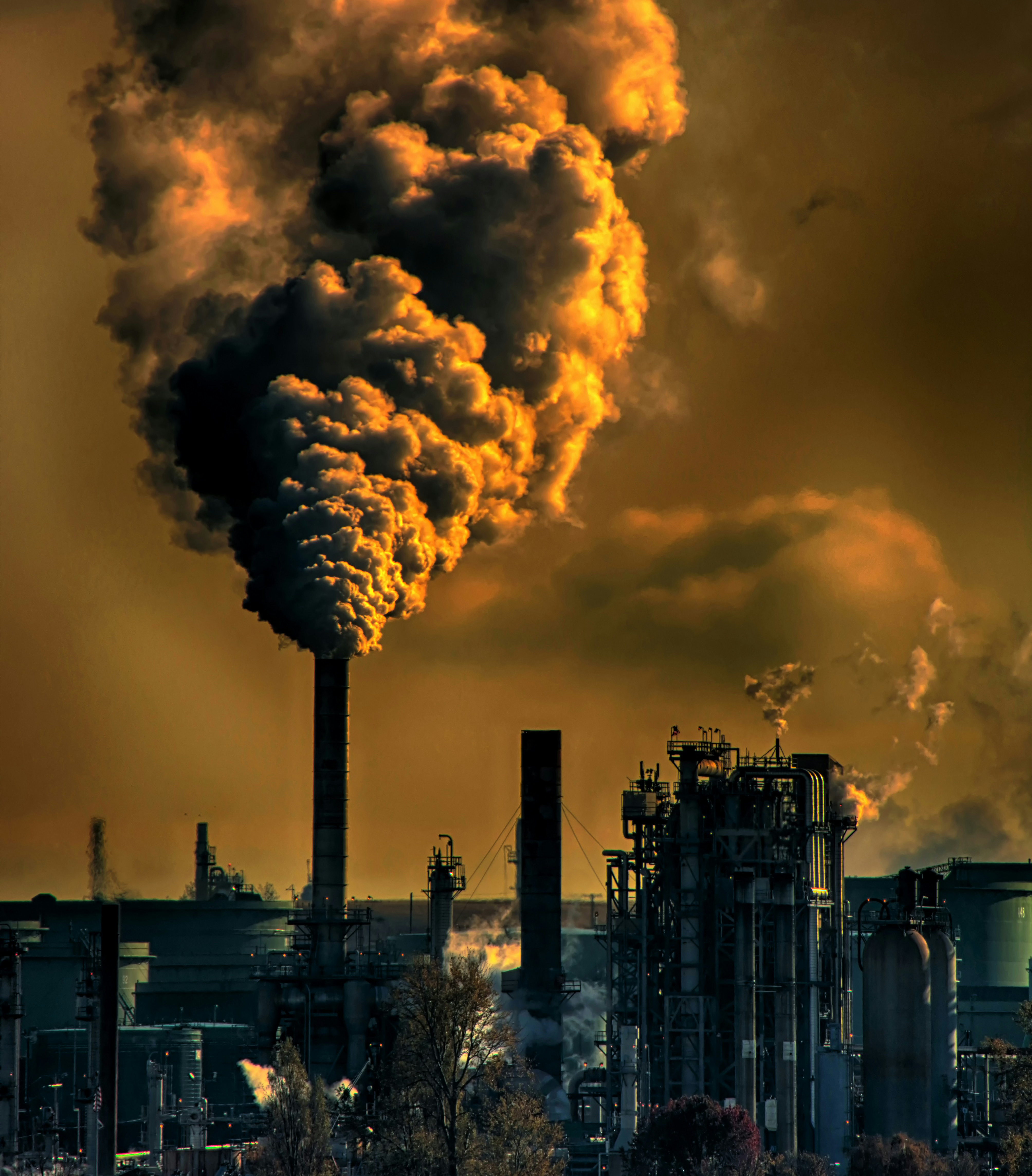
Fossil resources such as crude oil, coal, and natural gas are widely used for energy and material production. However, their extraction and processing release significant amounts of greenhouse gases, mainly carbon dioxide (CO₂), methane (CH₄), and nitrous oxide (N₂O), all of which have high global warming potential. Additionally, many fossil-based materials are incinerated after disposal, releasing stored carbon back into the atmosphere and further increasing greenhouse gas emissions. This reliance on fossil resources for producing aromatic compounds therefore contributes substantially to the environmental footprint of these materials.
In line with the Paris Agreement’s goal to limit global warming to 1.5 °C above pre-industrial levels, urgent efforts are needed to reduce greenhouse gas emissions. The European Union is actively promoting the shift to renewable feedstocks, which absorb CO₂ during their growth and regeneration, thereby lowering the overall carbon footprint of products.
However, aromatic compounds derived from renewable or bio-based sources are not yet produced at the scale required for widespread industrial use, limiting their current adoption.
Aromatic compounds, especially phenolic compounds, are essential in the production of high-performance materials. Their unique properties, such as heat and chemical resistance, mechanical strength, and durability, make them difficult to replace in many industrial applications.
Finding safer alternatives for essential but hazardous aromatics remains a major challenge. Currently, there are few viable substitutes for these critical chemical building blocks. In many cases, one harmful compound (like bisphenol A) is simply replaced with another structurally similar and equally hazardous substance, a practice known as a regrettable substitution.
As a result, a sudden or broad ban on phenolic compounds could unintentionally lead to the loss of affordable, durable materials or the adoption of equally harmful alternatives.
Today’s chemical industry relies heavily on fossil resources like oil, gas, and coal, materials that took millions of years to form and contribute significantly to pollution and greenhouse gas emissions. Transitioning to a circular economy, guided by the 3R principle—reduce, reuse, recycle—is a key step forward. Even more promising is the shift toward a circular bioeconomy, where renewable biological feedstocks replace fossil-based inputs.
Instead of relying on fossil fuels, the RADAR project utilizes fast-growing, CO₂-capturing secondary wood streams as a renewable and sustainable resource. Using innovative biorefinery, catalytic and enzymatic technologies at pilot scale, biomass is transformed into a rich bio-oil containing valuable aromatic building blocks. These naturally derived compounds offer unique chemical functionalities, opening the door to safer, high-performance materials designed with sustainability in mind.


Early proof-of-concept studies suggest that bio-based phenolic alternatives show reduced estrogenic activity, which is a key concern with traditional phenols. Building on these promising results, the RADAR project integrates a comprehensive toolbox of toxicity assays to investigate how nature can lead us to safer alternatives. This toolbox includes different New Approach Methodologies, high-throughput assays which aim to reduce and replace the use of animals in research and safety testing.
Starting from bio-derived aromatic compounds, RADAR’s industrial partners will synthesize and manufacture renewable materials designed to meet the performance demands of modern applications. These new bio-based chemicals will be evaluated in real-world use cases, such as flame retardants, can coatings, and surfactants, to ensure they match or surpass the quality and functionality of their fossil-based counterparts.
The project aims to develop novel bio-based materials with unique properties while integrating renewable feedstocks into existing industrial processes. Through this approach, RADAR intends to demonstrate that sustainability and high performance can go hand in hand.


Starting from bio-derived aromatic compounds, RADAR’s industrial partners will synthesize and produce valuable renewable materials. To ensure these innovations are not only technically viable but also economically sustainable, RADAR evaluates the full value chain, including production costs, scalability, and market competitiveness. Demonstrating cost-effectiveness is crucial for attracting investors, gaining industry confidence, and securing the long-term success of safe and sustainable alternatives.
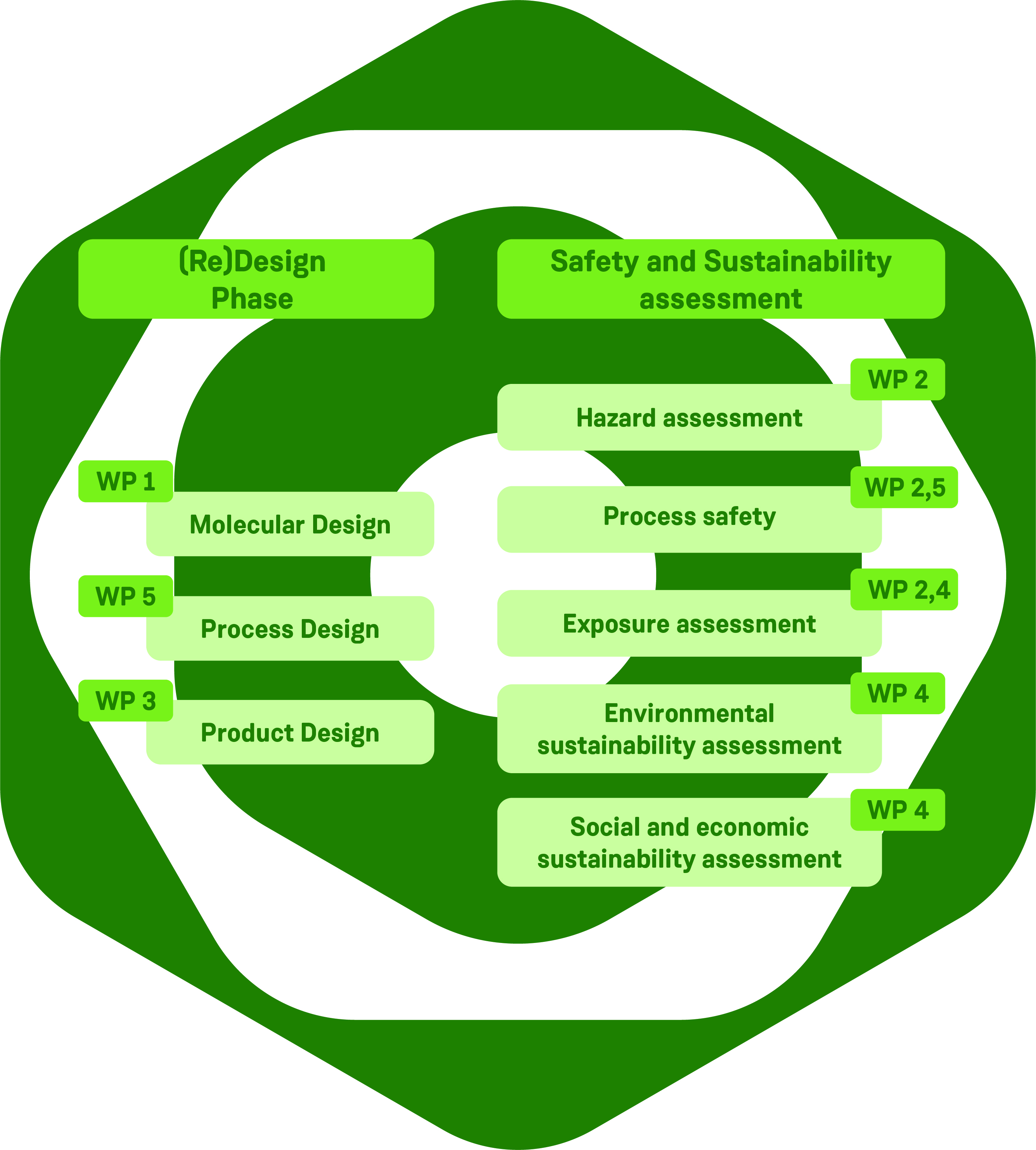
Safe and Sustainable by Design (SSbD) is a strategic framework developed by the European Commission and launched in 2020 as part of the EU’s Chemicals Strategy for Sustainability. It guides the innovation of chemicals and materials to ensure safety, environmental sustainability, and circularity from the earliest stages of development, supporting the goals of the EU Green Deal by promoting responsible innovation that minimizes risks to human health and the environment throughout the product life cycle. The SSbD methodology comprises two key phases: the (re)design phase and the assessment phase.
Building on this framework, the RADAR project will develop safer, renewable alternatives by leveraging advanced biorefinery technologies, rapid toxicity screening, and comprehensive sustainability assessments, with its workplan structured around dedicated work packages that address every aspect of the SSbD framework.