Replacing fossil-based chemicals with safe and renewable alternatives

RADAR
Renewable and safe Aromatic compounDs As Replacement for substances of concern


A European Innovation action project funded by the Union’s Horizon Europe programme.
Current problem

Essential but restricted chemicals

Aromatic compounds are crucial ingredients in the production of high-quality materials or additives. However, a growing number of these substances are classified as substances of concern and can become subject to strict regulation and authorization in the European Union.

Hazard classification

A growing number of aromatic compounds are being reclassified with higher hazard ratings due to concerns about their health and environmental impacts. These updated classifications may lead to usage restrictions imposed by EU authorities and could negatively affect the perceived safety of finished products.
The European Union has identified over 450 substances of very high concern (SVHCs), with approximately 30% of these being aromatic compound such as phenols. These substances are under scrutiny for a variety of potentially hazardous effects including bioaccumulation, endocrine disruption, carcinogenicity, and reproductive toxicity.

Environmental footprint

Currently, aromatic compounds are derived from fossil resources. Within the EU, there is a strong focus on the transition toward renewable feedstocks in order to reduce both the carbon footprint of products and their overall environmental impact. However, aromatic compounds produced from natural or renewable sources are not yet available at large scale, limiting their immediate adoption in industrial applications.

Too good to go

Aromatic compounds, especially phenolic compounds, play a vital role in creating high-performance materials. They provide exceptional heat and chemical resistance, mechanical strength, and other unique properties that make them hard to replace.
Solution

Safe and Sustainable by Design alternatives

Designing safer alternatives to current phenols starting from renewable resources,
can significantly reduce their impact on human health and the environment.

Renewable

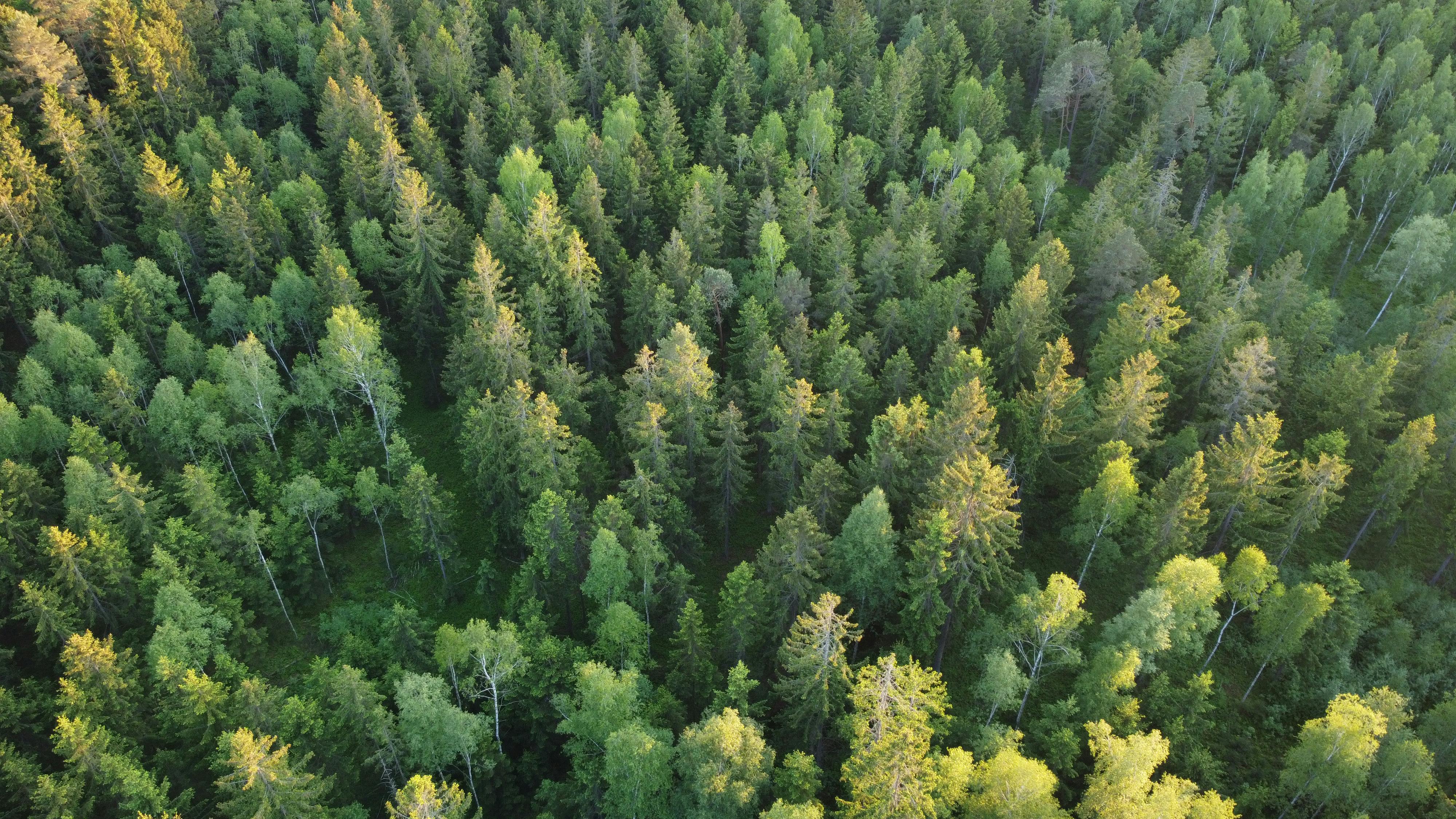
Instead of relying on fossil resources that take millions of years to form, the RADAR project explores the use of fast-growing, CO₂-capturing secondary wood streams as a renewable feedstock for material production. Through innovative biorefinery and enzymatic technologies at pilot scale, wood is transformed into a rich bio-oil containing valuable aromatic building blocks. These bio-based compounds feature unique, naturally derived chemical functionalities that offer promising potential for sustainable high-performance materials, without compromising on quality.

Safe

Early proof-of-concept studies suggest that the naturally derived chemical functionalities in RADAR’s bio-based compounds may reduce the hazards typically associated with conventional phenols.
To further investigate this promising potential, RADAR incorporates a comprehensive toolbox of toxicity assays. These tools enable researchers to explore how nature-inspired chemistry can lead to safer, more sustainable alternatives for high-performance materials.
iPhone mockup

Performant

Starting from bio-derived aromatic compounds, RADAR’s industrial partners will synthesize and manufacture renewable materials designed to meet the performance demands of modern applications. These materials will be tested in real-world use cases, including flame retardants, can coatings, and surfactants, with the goal of matching or even surpassing the quality and functionality of their fossil-based counterparts.
By integrating renewable feedstocks into existing industrial processes, the project aims to demonstrate that sustainability and high performance can go hand in hand.

Valuable

Starting from bio-derived aromatic compounds, RADAR’s industrial partners will synthesize and produce valuable renewable materials. To ensure these innovations are not only technically viable but also economically sustainable, RADAR evaluates the full value chain, including production costs, scalability, and market competitiveness. Demonstrating cost-effectiveness is crucial for attracting investors, gaining industry confidence, and securing the long-term success of safe and sustainable alternatives.
Framework

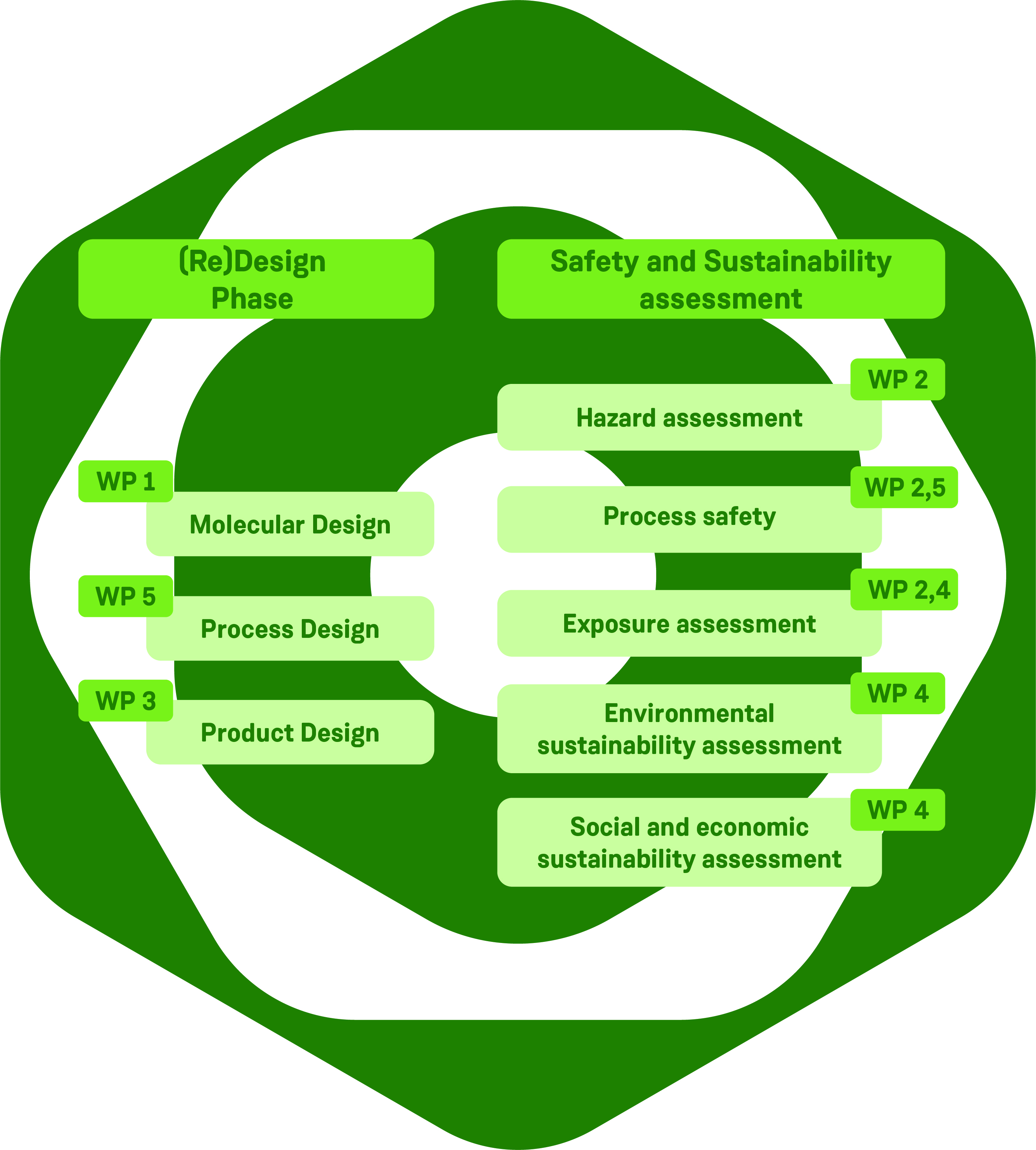
The European SSbD framework as the Foundation of RADAR's workplan

Safe and Sustainable by Design (SSbD) is a European framework developed to ensure that chemicals and materials are designed from the outset with safety, sustainability, and circularity in mind.

The RADAR project applies this framework to guide the development of safer, renewable alternatives, with its workplan structured around SSbD’s three key pillars:
Design, Safety, and Sustainability

Design

WP 1
Molecular design
WP 3
Product design
WP 5
Process design

Safety

WP 2
Hazard assessment

Sustainability

WP 4
Sustainability assessment
Dashboard mockup
The RADAR Milestones

The RADAR journey

Our RADAR journey began on December 1st, 2024, and will continue over 48 months, progressing step by step. Explore the milestones that define where we are today and where we're headed next.

Complete training set

M 12
A set of commercial benchmarks and potential bio-based alternatives that are scalable in production, are the priority in RADAR for hazard assessment, sustainability assessment and application development.

Pilot scale production of renewable alternatives

M 24
Production of the training set chemicals at pilot scale using new biorefinery, catalytic or enzymatic technologies.

Trained in silico models for molecular design and tox prediction

M 36
New computational models that can support the design of new safe and sustainable alternatives and product toxicity of bio-based chemicals.

Advanced Sustainability assessment

M 36
A complete sustainability assessment which can be applied in early development phase.

Selection of LDP product for scale-up and for re-design phase

M 36
Selection of most promising safe and sustainable by design chemicals and products.

Complete application set

M 42
New SSbD alternatives based on the gained knowledge, ready for hazard assessment.

Definition of NAM-based testing strategy M48

M 48
New tiered approach based on NAM for toxicity screenings in early-development phase.

Proof of Concept final SSbD LDP products

M 48
Performance tests of final SSbD surfactant, flame retardants and can coating.

Stay updated, Subscribe to our newsletter

We care about your data in our privacy policy.
Thank you! Your submission has been received!
Oops! Something went wrong while submitting the form.
Radar is supported by